The Habits That Keep Highly Organized People on Track
Staying organized is not about perfection or rigid routines. It’s about developing simple habits of highly organized people that make everyday life smoother and more manageable. Highly organized people don’t rely on motivation alone. Instead, they create systems that reduce stress, support productivity, and help them stay in control of their responsibilities.
One of the biggest differences between organized and overwhelmed people is planning. Those who stay organized usually prepare for their day the night before. They look at their schedule, identify what needs attention, and set clear priorities. This small habit of highly organized people prevents morning stress and allows them to start each day with direction and purpose.
Organized people also understand the importance of a clutter-free environment. Physical clutter often leads to mental clutter, making it harder to focus. By maintaining tidy spaces and cleaning up small messes quickly instead of waiting for a major cleaning day, they create an environment that supports calmness and efficiency.
Understanding these habits of highly organized people can transform how one approaches daily tasks and challenges.
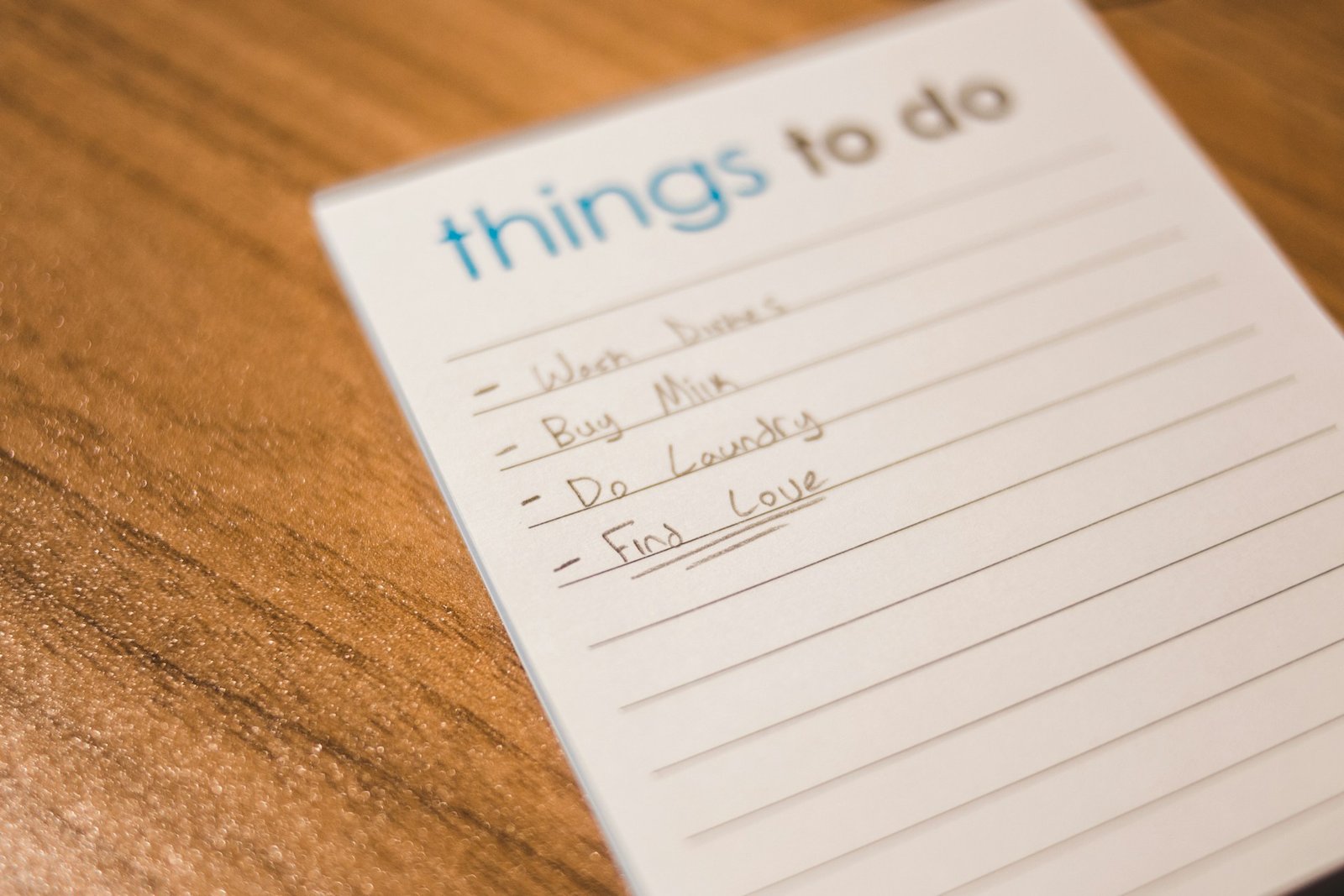
Lists are another powerful tool. Instead of letting tasks build up in their mind, organized individuals write everything down. Whether it’s a grocery list, a work to-do list, or reminders for upcoming events, these simple lists help them stay on track and free up mental energy for more important decisions.
When facing large tasks or overwhelming projects, organized people break them into smaller, manageable steps. By doing this, they avoid procrastination and give themselves a clear path forward. Each small step completed builds momentum and makes the overall project less intimidating.
Consistency is key as well. Most organized people rely on a calendar or planner to keep track of appointments, deadlines, and commitments. They don’t depend on memory alone. Instead, they build a habit of checking their schedule regularly so nothing is forgotten or rushed.
Another important habit is knowing how to prioritize. Organized people understand that not everything deserves equal attention. They focus on what matters most, postpone what can wait, and remove tasks that don’t add value. This helps them use their time and energy wisely.
Instead of multitasking, they often focus on one task at a time. While multitasking may feel productive, it usually leads to lower quality work and more mental fatigue. Single-tasking strengthens concentration and improves results.
Routines also play a major role. Morning routines, cleaning routines, and evening wind-down routines help create structure. When certain tasks become automatic, there’s less decision-making required, which frees up mental space for more important activities.
Being organized isn’t just physical. Digital organization matters too. Keeping a tidy inbox, deleting unnecessary files, and maintaining a clean phone or computer helps reduce distraction and makes it easier to find what they need when they need it.
Finally, organized people review and reset regularly. They check what is working in their routines, make adjustments, and reset their environment whenever things begin to feel chaotic. This habit prevents small problems from becoming overwhelming.
Being organized is less about natural talent and more about consistent habits. By adopting even a few of these behaviors, anyone can create a more balanced, calm, and productive life. Small changes add up, and over time, they build a lifestyle that supports clarity, focus, and peace of mind.